Wondering what daily life in Mill Valley actually feels like once the weekend glow wears off? That is often the real question behind a home search here. If you are trying to picture the rhythm of errands, trail time, commuting, and home style, this guide will help you understand how Mill Valley comes together in everyday life. Let’s dive in.
Mill Valley at a glance
Mill Valley is a compact Marin community about 14 miles north of San Francisco, with a footprint of roughly 4.8 square miles, according to the city. The city also reports about 6,534 housing units, with most homes being single-family residences and about 24% made up of apartments and condominiums.
That mix helps explain why Mill Valley can feel layered rather than uniform. You will find residential pockets with different scales and housing types, plus a downtown core that supports day-to-day errands and gathering spots. For many buyers, that balance is a big part of the appeal.
Trails shape the daily rhythm
One of the clearest things about living in Mill Valley is how close outdoor access feels to everyday routines. This is not just a place with scenic views nearby. The trail and path network is part of how the city functions and how many people experience it.
Mount Tamalpais sets the backdrop
Mount Tamalpais State Park is one of the defining features of the area. California State Parks describes the park as 6,300 acres of redwood groves, oak woodlands, grasslands, and chaparral, with hiking trails and vista points, including access from Panoramic Highway in Mill Valley.
The park is open from 7 a.m. to sunset, and the trail system connects to neighboring open-space areas, including Muir Woods. If you want a location where outdoor time can be part of a normal weekday, not just a planned outing, Mill Valley stands out for that reason.
Paths and parks are woven in
The city says Mill Valley has more than 175 original steps, lanes, and paths. Historically, these routes helped people walk to the train and ferry, get to school, visit neighbors, shop downtown, and attend town meetings.
That history still matters because it helps shape the feel of the city now. Instead of a layout that is entirely car-centered, Mill Valley has a network that supports walking between residential areas, parks, and local destinations.
Neighborhood parks support daily use
Mill Valley’s park system includes Bayfront, Blithedale, Cascade, Old Mill, Downtown Plaza, the Dog Park, and other smaller open spaces. For buyers comparing communities in Marin, that range of park access can make everyday life feel more flexible.
You may be looking for a quick walk, a nearby place to spend time outdoors, or a setting that feels connected to nature without leaving town. In Mill Valley, that outdoor-first pattern shows up in both the larger landscape and the small in-between spaces.
Downtown Mill Valley feels local and walkable
Downtown Mill Valley has a village-scale feel that many buyers are looking for when they want convenience without a big-city pace. The city’s RSVP parking program is designed to make it easier for Mill Valley residents and other Marin visitors to shop, eat, and spend time downtown.
That may sound like a small detail, but it points to something bigger. Downtown is not just a pass-through area. It is meant to be used regularly for errands, meals, and meeting up.
Gathering places anchor downtown
Lytton Square is described by the city as a historic space in the heart of downtown. Downtown Plaza adds practical amenities like a café, benches, picnic tables, and bathrooms.
These kinds of public spaces matter because they make downtown feel usable, not just attractive. If you are thinking about where you might grab coffee, pause between errands, or spend a relaxed afternoon, those details help shape the experience.
Miller Avenue adds everyday convenience
City design guidelines describe downtown and Miller Avenue as pedestrian-friendly and main-street oriented. The area includes retail, restaurants, service and repair businesses, fitness centers, and service stations that serve the community.
The same guidelines describe the Miller Avenue Main Street area as mostly one- and two-story buildings with a close-knit street edge and a strong pedestrian feel. For you as a buyer, that suggests a setting where practical needs and local character often sit close together.
The Lumberyard adds to the mix
The Mill Valley Lumberyard is identified by the city as one of Mill Valley’s iconic historic assets and an important part of community vitality. In practical terms, it adds another layer to the downtown experience.
For someone exploring the area, that helps reinforce the sense that Mill Valley offers more than a residential address. It supports a compact, local rhythm where shops, gathering spaces, and neighborhood identity overlap.
Commuting from Mill Valley
If you work in San Francisco or move around Marin regularly, transportation is an important part of the lifestyle picture. Mill Valley offers regional connections, though the overall pattern still suggests that many residents balance transit options with car use.
Bus service connects Mill Valley and beyond
Golden Gate Transit lists Route 114 for Mill Valley to San Francisco service. The route includes stops in Mill Valley, Mill Valley Depot, Tam Junction, Manzanita Park and Ride, Marin City, and the San Francisco Financial District.
Marin Transit Route 17 also connects San Rafael, Strawberry, Mill Valley, Marin City, and Sausalito. The city highlights Route 17 as a way to reach the Mill Valley Community Center, which shows that bus service is part of both local and regional movement.
Ferry access expands your options
Golden Gate Ferry offers daily service between Larkspur, Sausalito, Tiburon, and San Francisco. The Larkspur Ferry Terminal is located just east of U.S. 101 in Larkspur and includes 1,800 public parking spaces.
For some households, that ferry option can be a useful part of commute planning. If you are comparing Mill Valley with other Marin locations, it helps to think in terms of a mixed-access lifestyle that may include bus routes, ferry connections, and driving depending on the day.
Homes in Mill Valley have variety
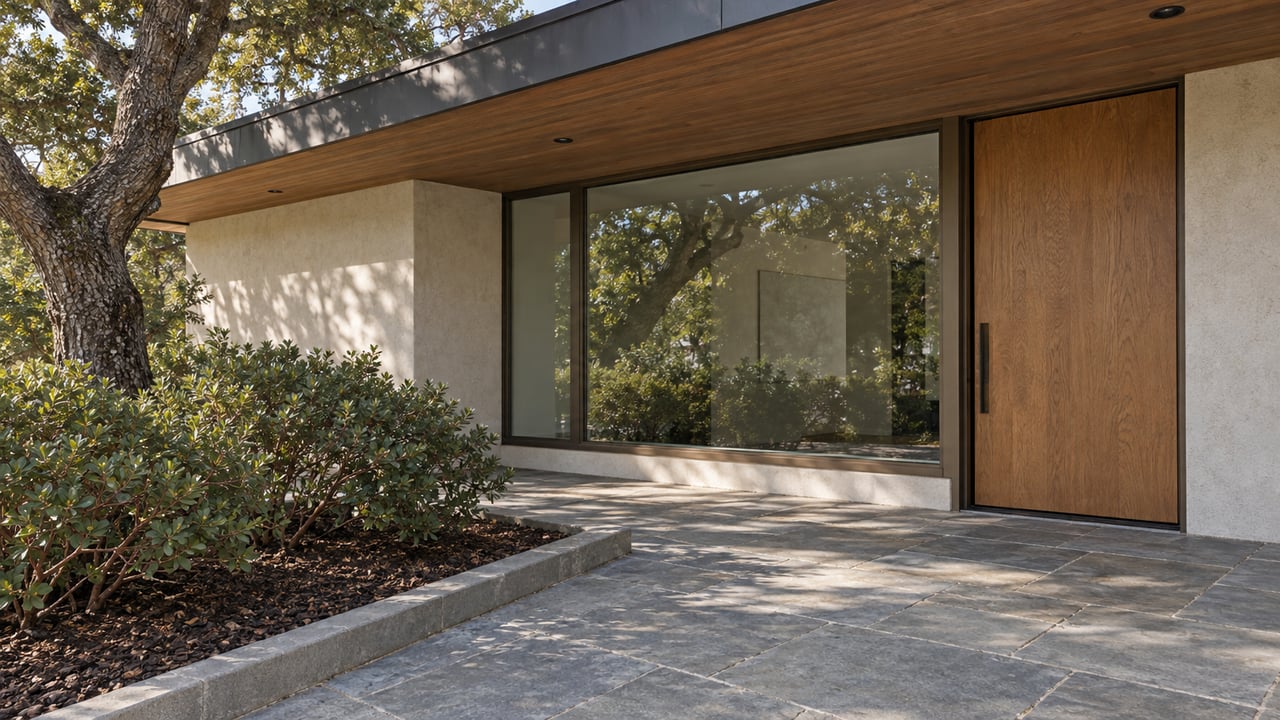
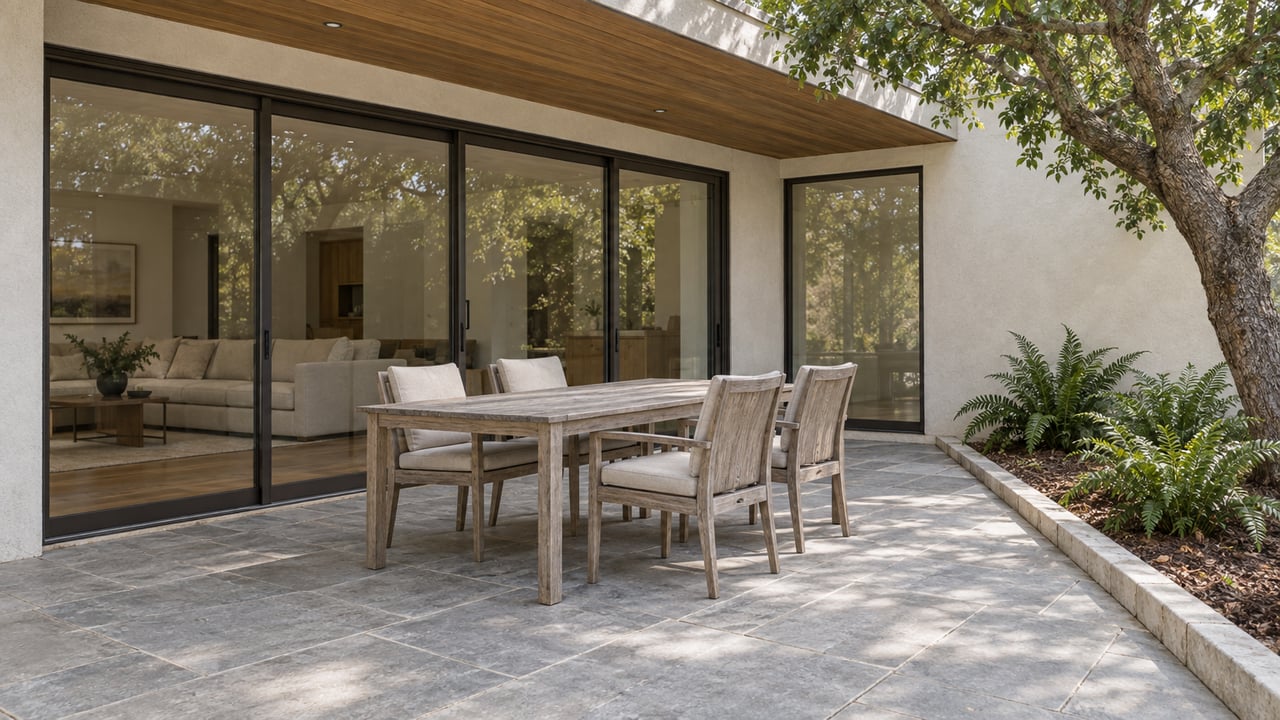
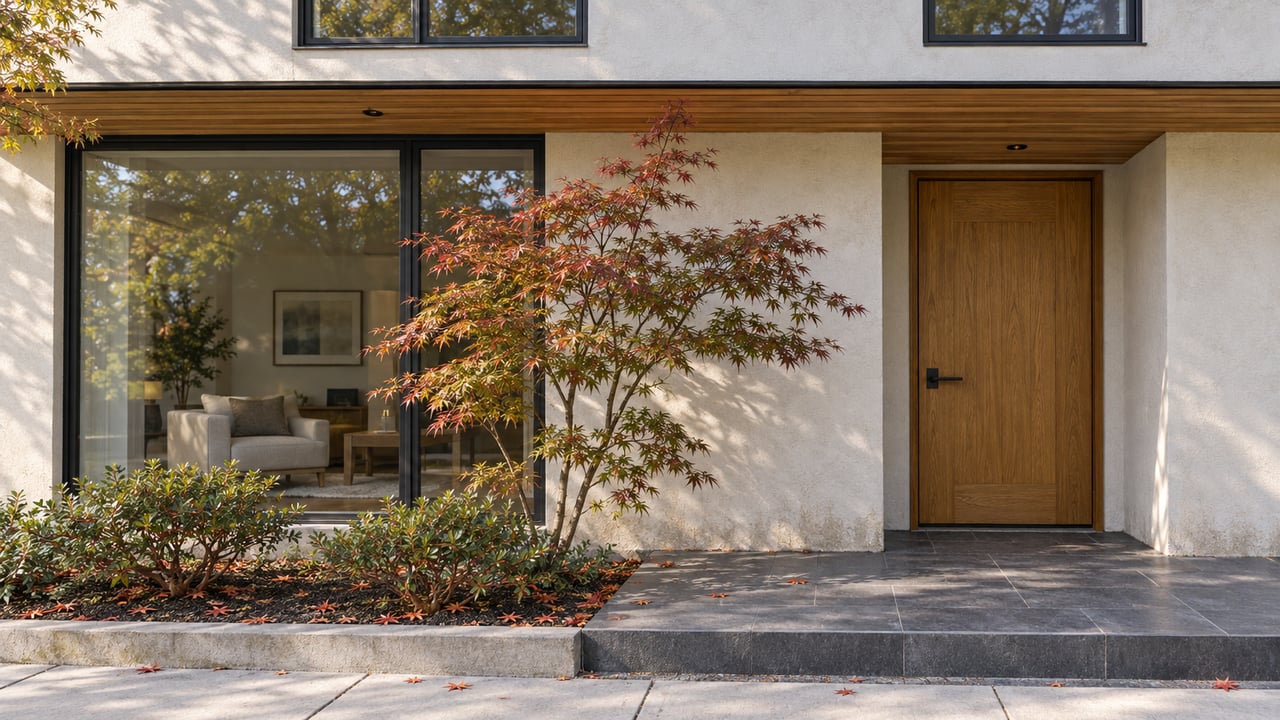
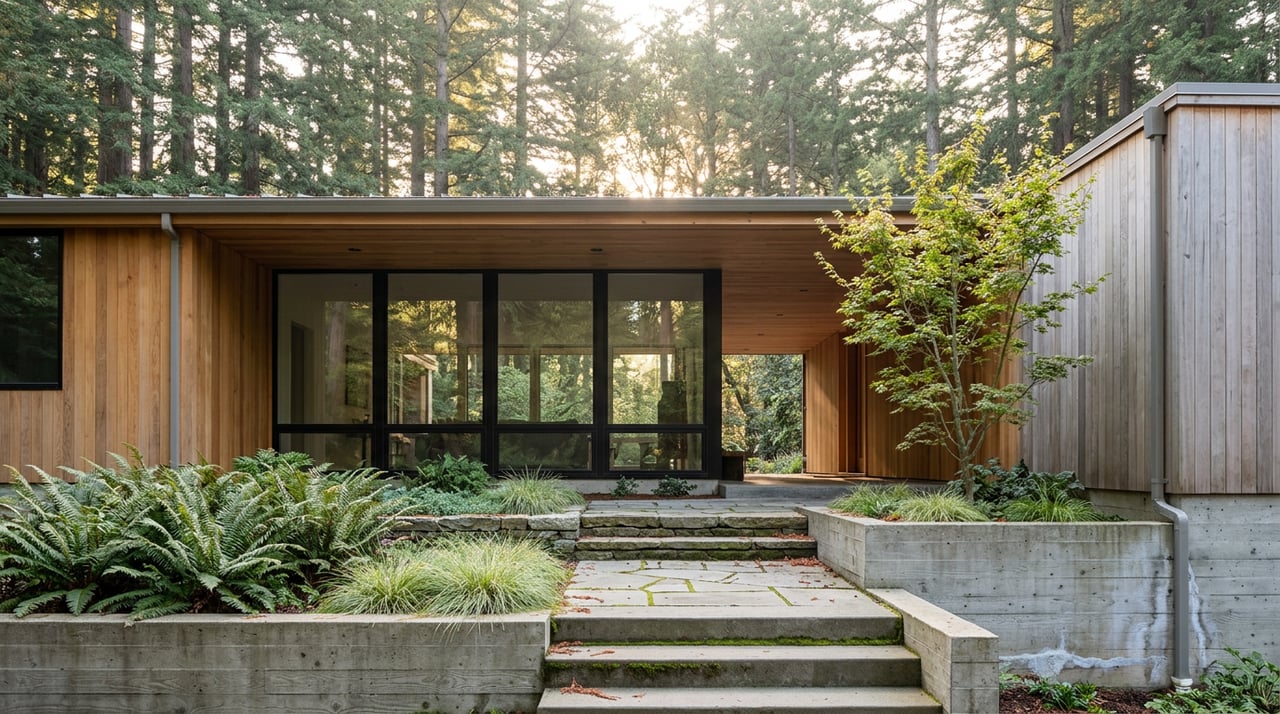
Mill Valley does not present one single housing look. The city’s historic inventory shows a broad range of residential architectural styles, including Vernacular, First Bay Tradition, Queen Anne, Italianate, Second Bay Tradition, Tudor, Craftsman, Colonial Revival, Spanish Colonial Revival, Classical Revival, and Art Deco.
The city also notes that most surveyed historic properties were built before 1930. That helps explain why buyers often notice visual character here right away. There is a sense of age, texture, and variety that can feel very different from a more uniform suburban market.
Older homes and newer nodes coexist
If you are picturing only historic hillside houses, the housing story is broader than that. City design guidelines say newer multi-family and mixed-use areas are generally low-rise, with downtown and Miller Avenue emphasizing pedestrian-friendly frontages and one- and two-story building forms.
The guidelines also note that bayfront and marsh areas can accommodate larger multi-family, condominium, and townhouse development. So while single-family homes define much of the market, there are also denser pockets that may appeal to buyers looking for a different maintenance level or location tradeoff.
Lifestyle fit matters here
In a place like Mill Valley, the right home is often about more than square footage. Terrain, access to downtown, proximity to trails, and the feel of the surrounding streets can all shape your day in a meaningful way.
That is why many buyers benefit from looking at how each area lives, not just how each property looks online. A calm, informed search can help you narrow what kind of Mill Valley experience actually fits you best.
What living here feels like
Taken together, Mill Valley reads as an outdoors-oriented, village-scale community with a strong sense of place. Trails, parks, historic paths, local shopping areas, and regional transit options all contribute to a daily rhythm that feels connected to both nature and routine.
If you are drawn to walkable errands, layered home styles, and easy access to open space, Mill Valley offers a very specific kind of Marin lifestyle. It is less about one headline feature and more about how the pieces work together day to day.
If you are thinking about buying or selling in Mill Valley, working with someone who understands those block-by-block lifestyle differences can make the process feel much more grounded. You can reach out to Julia Camajani for thoughtful, local guidance.
FAQs
What is Mill Valley known for in daily life?
- Mill Valley is known for its access to trails and parks, its network of historic steps, lanes, and paths, a compact downtown area, and a village-scale feel shaped by local errands and outdoor access.
What kinds of homes are common in Mill Valley?
- According to the city, most of Mill Valley’s housing units are single-family homes, with about 24% apartments and condominiums, and the architectural mix includes styles such as Craftsman, Tudor, Colonial Revival, and Spanish Colonial Revival.
What is downtown Mill Valley like for everyday errands?
- Downtown Mill Valley is designed to support shopping, dining, and visiting, with gathering places like Lytton Square and Downtown Plaza, plus pedestrian-friendly areas along downtown streets and Miller Avenue.
What outdoor access do you get living in Mill Valley?
- Mill Valley offers access to city parks, more than 175 original steps, lanes, and paths, and nearby Mount Tamalpais State Park, which includes hiking trails, vista points, and connections to neighboring trail systems.
What are commute options from Mill Valley to San Francisco?
- Commute options include Golden Gate Transit Route 114 bus service to San Francisco, regional bus connections through Marin Transit Route 17, and nearby ferry access from the Larkspur Ferry Terminal.
Is Mill Valley mostly urban or suburban?
- The city describes Mill Valley as a primarily suburban community, but its compact layout, walkable downtown areas, and local path network create a more layered feel than a typical spread-out suburb.