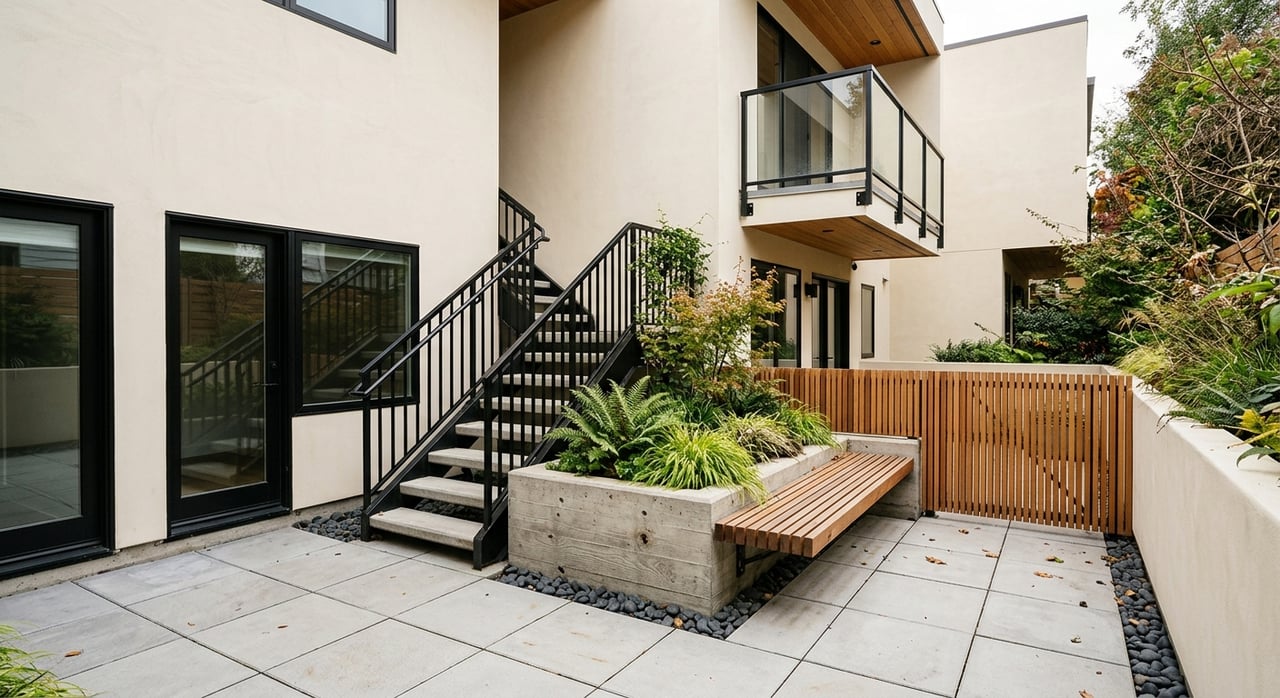
If you are thinking about buying in Tiburon, one of the biggest questions is often this: Do you want the ease of a condo or the space of a single-family home? In a market where prices can vary widely and lifestyle matters just as much as square footage, that choice can shape your budget, your daily routine, and how your home fits your next chapter. This guide will help you compare condo and single-family living in Tiburon so you can move forward with more clarity and confidence. Let’s dive in.
Why property type matters in Tiburon
Tiburon is a high-cost, mostly owner-occupied market where detached homes still make up the majority of the housing stock. The Town of Tiburon’s Housing Element says 65.4% of homes were single-family detached in 2020, and Census QuickFacts show a 74.9% owner-occupied housing rate.
That matters because buying a condo versus a house here is not a small decision. It can affect your purchase price, your monthly carrying costs, the amount of maintenance you take on, and how much private outdoor space you have.
Tiburon also offers a lifestyle that is closely tied to the outdoors. With ferry access to San Francisco, plus parks, trails, and waterfront areas, some buyers find that public amenities help balance a smaller home footprint, while others still prefer the privacy and control of a detached property.
Condo living in Tiburon
For many buyers, a condo offers a more manageable path into Tiburon. Current listings show that condo pricing can start much lower than detached homes, with examples ranging from $855,000 to $3.487 million.
That range alone tells you something important. Not all condos serve the same buyer, and not all monthly costs will feel equally affordable, even when the purchase price looks lower on paper.
What you own with a condo
In California, condos are part of a common-interest-development structure. The California Department of Real Estate explains that you typically own your individual unit along with certain shared areas or rights to use common spaces.
When you buy a condo, membership in the homeowners association is automatic. The rules for the community are laid out in documents like CC&Rs, bylaws, and operating rules, which help define what you can expect as an owner.
Condo benefits to consider
The biggest appeal of condo living is often lower day-to-day maintenance. Shared exterior upkeep and common-area management can be a real advantage if you want a home that is easier to manage or if you expect to spend time away.
A condo can also work well if your priority is location and lifestyle over lot size. In a place like Tiburon, where outdoor access, ferry service, and scenic surroundings are part of daily life, some buyers are happy to trade a yard for convenience and a simpler ownership experience.
Condo costs to watch closely
The monthly math with a condo is not just about the mortgage. HOA dues are usually separate, and the Consumer Financial Protection Bureau notes that those dues can range from a few hundred dollars a month to more than $1,000 a month.
You will also want to look closely at insurance. Condo associations usually carry master insurance for common areas, but unit owners still need their own interior coverage, and responsibilities can be split between the HOA and the homeowner.
Condo due diligence matters
In Tiburon, condo buyers should look beyond finishes and floor plans. The California Department of Real Estate notes that HOAs can levy special assessments for major repairs or unexpected expenses, which can affect your future costs.
Before writing an offer, it is smart to review:
- HOA dues
- Reserve funding
- Meeting minutes
- Insurance structure
- Rules and restrictions
- Any history of special assessments
There is one more layer with financing. Fannie Mae notes that condo project review is separate from borrower underwriting, so loan approval for a condo is not always as straightforward as it is for a detached home.
Single-family living in Tiburon
If you want more privacy, more outdoor space, and more control over the property, a single-family home may feel like the better fit. In Tiburon, detached homes are the dominant housing type, and current listings show a broad range from about $2.05 million to nearly $20 million.
That gap between entry-level detached options and higher-end homes is large, but the lifestyle pattern is consistent. Buyers are often paying for more space, more separation from neighbors, and more flexibility in how they use the property.
What a detached home may offer
Single-family homes often give you more room to spread out. Current Tiburon listings highlight features that many buyers expect from detached ownership, such as larger lots, multiple bedrooms, and direct outdoor space.
That can be especially appealing if you want extra storage, more parking, or a property that gives you room to adapt over time. It can also be a better match if private outdoor use is high on your list.
The tradeoff is more responsibility
With that extra control usually comes more responsibility. The Consumer Financial Protection Bureau reminds buyers to budget for repairs, property taxes, homeowner’s insurance, and any HOA dues that may still apply.
Insurance planning matters here too. Standard homeowner’s insurance does not cover earthquake or flood damage, so in the Bay Area, it is worth asking whether separate earthquake coverage should be part of your budget.
Monthly costs can change after closing
One detail many buyers overlook is California’s supplemental property tax assessment. The State Board of Equalization says a property may be reassessed after a change in ownership, which can lead to a supplemental tax bill after closing.
That applies to both condos and detached homes, and it is an important reminder that your true monthly and annual ownership cost may be different from the first estimate you see.
Comparing the real monthly cost
In Tiburon, the smartest condo-versus-house comparison starts with total monthly carrying cost, not just list price. A condo may have a lower purchase price, but once you add HOA dues, insurance, taxes, and other ownership costs, the payment may end up closer to a detached home than you expected.
A detached home may cost more upfront, but you may prefer where that money goes if privacy, outdoor space, or long-term flexibility matter more to you than lower-maintenance living.
Costs to compare side by side
When you are deciding between the two, compare:
- Mortgage payment
- Property taxes
- Homeowner’s insurance
- HOA dues, if any
- Maintenance and repair costs
- Utility costs
- Possible supplemental property tax changes after closing
This side-by-side view usually gives a much clearer picture than list price alone. It also helps you avoid choosing a property type based only on the headline number.
How lifestyle fit can guide the decision
The financial side matters, but lifestyle fit is often what makes the decision feel right. In Tiburon, that usually comes down to how you want to live day to day.
A condo may fit if you want ease
A condo may be the better fit if you want:
- Lower-maintenance ownership
- A smaller, easier-to-manage footprint
- Less exterior upkeep responsibility
- A home that works well if you travel or spend time away
- Access to Tiburon’s outdoor amenities without maintaining a larger property
A single-family home may fit if you want control
A detached home may be the better fit if you want:
- More privacy
- More storage or parking
- Yard or outdoor space
- More flexibility to customize your property
- More separation between your living space and shared community rules
Neither option is automatically better. The right choice depends on your budget, your comfort with upkeep, and how you want your home to support your routine and long-term plans.
A practical way to choose in Tiburon
If you are torn between the two, try narrowing your decision with actual numbers and real lifestyle priorities. Ask your lender or advisor to run side-by-side monthly estimates for both a condo and a detached home, including taxes, insurance, dues, and likely maintenance.
For condos, make sure you also verify project eligibility, HOA reserves, insurance coverage, and assessment history. For detached homes, spend time thinking through repair planning, insurance needs, and whether the added space will truly improve your everyday life.
In a market like Tiburon, where pricing spreads are wide and lifestyle tradeoffs are very real, a clear comparison can save you from buying a home that looks right at first glance but feels off once the full picture comes into focus.
If you want help weighing Tiburon condos against single-family homes, Julia Camajani offers calm, thoughtful guidance to help you compare the numbers, the lifestyle, and the long-term fit.
FAQs
What is the main difference between buying a condo or house in Tiburon?
- The biggest difference is usually the tradeoff between lower-maintenance shared ownership and the added privacy, space, and control of a detached home.
What costs should you compare when buying a condo in Tiburon?
- You should compare the mortgage, property taxes, HOA dues, insurance, utilities, maintenance exposure, and any potential special assessments.
What costs should you compare when buying a single-family home in Tiburon?
- You should compare the mortgage, property taxes, homeowner’s insurance, repair and maintenance costs, utilities, and possible supplemental property tax changes after closing.
Why do HOA documents matter when buying a Tiburon condo?
- HOA documents help you understand dues, reserve levels, insurance responsibilities, rules, and whether there is a history of special assessments that could affect your costs.
Why can monthly costs change after buying in Tiburon?
- In California, a sale can trigger a supplemental property tax assessment, which means your tax bill may change after closing for either a condo or a detached home.