If you have ever driven through Ross and thought, "Why does each block feel so different?" you are noticing one of the town’s defining traits. Ross is small, but it is not one-note. From the walkable civic core near Ross Common to quieter hillside streets with more separation and open-space edges, everyday life can change a lot from one area to the next. This guide will help you understand how Ross is shaped by architecture, parks, street layout, and landscape so you can better picture what living there might actually feel like. Let’s dive in.
Why Ross Feels So Varied
Ross covers just 1.6 square miles, yet the town’s setting creates a surprising range of living environments. According to the town, tree-covered hills, winding creeks, landscaped streets, and strong architecture all help shape a place where the built environment and natural setting coexist closely.
Town planning documents break Ross into four broad contexts: steeper hillside areas, gentler natural-setting areas, traditional neighborhoods, and downtown. In practice, that means Ross reads less like one uniform neighborhood and more like a collection of micro-areas, each influenced by slope, lot size, street width, and proximity to civic spaces or open land.
For you as a buyer, that matters because the right fit may have less to do with a formal neighborhood name and more to do with how a specific block lives day to day. In Ross, a few turns can take you from a more social, walkable setting to a private, estate-like street.
Ross Common and Downtown Life
If you want the most connected and convenient part of Ross, the area around Ross Common is usually the clearest starting point. The Common is a 4.36-acre park surrounded by Town Hall, Ross School, and the downtown commercial area, and the town also notes that the post office is part of the Common. Because residents come through for mail and daily errands, this part of town stays active throughout the day.
Downtown Ross is the town’s civic core. The General Plan describes it as an area with two- and three-story buildings that include retail, restaurants, and professional offices, all within a broader town vision that still aims to preserve a low-density country village feel.
This area is also where many community traditions take place. The town identifies events at the Common, including the Ross Town Dinner and the Fourth of July celebration, as part of local life. If you are looking for a neighborhood setting where public space, school activity, and community events are all close at hand, this is the part of Ross that offers the most of that rhythm.
Who may prefer downtown-adjacent blocks
You may gravitate toward this area if you want:
- Easier access to Ross Common
- Close proximity to Ross School activity
- A more walkable daily routine
- Nearness to small-scale errands and civic uses
- A setting that feels more public and connected
Town planning work for downtown also emphasizes pedestrian access, parking, outdoor gathering spaces, and links to Frederick Allen Park. That gives this part of Ross a more social and practical feel than the more tucked-away residential pockets.
Traditional Streets Near the Core
Away from the civic center but still near it, Ross has residential streets with a more classic neighborhood feel. Town materials point to areas such as Lagunitas Road and Shady Lane as places that feel more compact and locally connected.
These streets sit near several long-standing civic, cultural, and recreational anchors. The town’s landmark information places St. John’s Episcopal Church at Shady Lane and Lagunitas Road, the Lagunitas Country Club at Lagunitas and Upper Road, and the post office on the site of the old North Pacific Coast Railroad Station. Nearby, the Marin Art & Garden Center, founded in 1943, adds another established local landmark and is home to the Ross Valley Players.
The result is a part of Ross that can feel layered and rooted. You are not just near homes. You are near places that have helped shape the town’s daily life over time.
Which streets feel most historic?
Lower Ross, especially around Bolinas Avenue, is one of the clearest examples of the town’s older residential fabric. A Town of Ross historic-resource report describes 67 Bolinas Avenue as a 1913 Craftsman bungalow in the Fern Hill Park Tract, an early-20th-century subdivision created from Fern Hill Estate.
The town’s design guidelines also note that small clusters of similarly sized homes exist on Bolinas Avenue, even though lot patterns vary widely across Ross overall. If you are drawn to older homes, more compact patterns, and a stronger sense of early neighborhood development, this part of town may stand out to you.
Hillside Streets and More Privacy
One of the biggest shifts in Ross happens as terrain changes. In steeper areas, the town’s design guidelines say buildings are often set farther back and may be less visible from the street. Lot sizes and configurations also vary considerably, which can make one hillside block feel very different from the next.
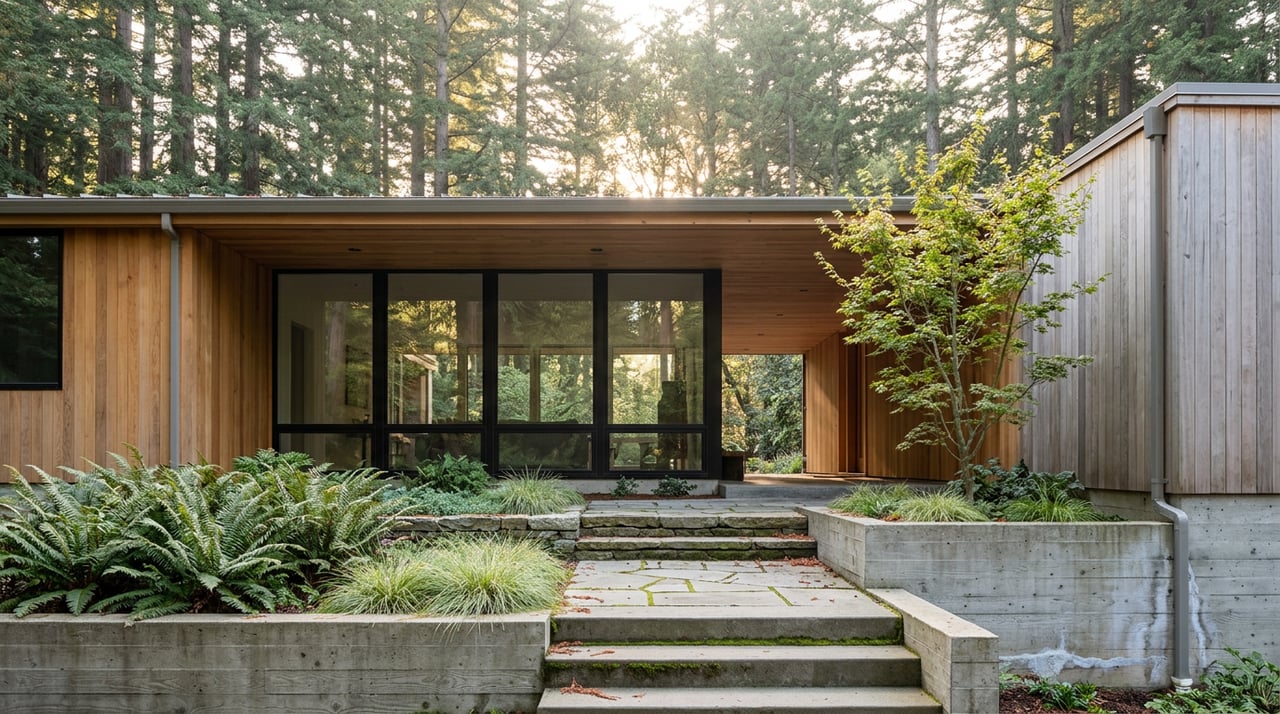
This is where Ross often starts to feel quieter and more private. Narrow roads, changing topography, and deeper setbacks can create a slower-paced experience. The design guidelines even note that some roads can feel almost like yield streets, which helps explain why the hillier parts of town often feel more tucked away.
If you are looking for larger lots and more separation between homes, upper or transitional streets may be where your search becomes more interesting. These areas often appeal to buyers who want privacy, a stronger connection to landscape, and a less public day-to-day feel than the blocks near Ross Common.
An estate-like example
A useful example comes from 3 Skyland Way. A historic evaluation says the property was once part of a 13-acre estate before becoming a one-acre residential property, and it identifies the home’s early French Colonial Revival form.
That kind of property history helps explain why some upper-Ross streets feel more estate-like. Bigger parcels, less visual exposure from the road, and a stronger sense of separation can all shape the experience of these hillside settings.
Parks and Open Space in Ross
Parks and open space are central to how Ross lives. The town officially lists 50 acres of parks and open space, including Ross Common, Frederick S. Allen Park, Natalie Coffin Greene Park, Mudd Dedication Watershed Lands, Bald Hill, Phoenix Lake, and upland ridge and greenbelt areas.
Just as important, the town’s design guidelines say views, tree canopy, creek corridors, and lush landscape are defining features of daily life in Ross. In other words, open space is not just something you visit here. It is part of what many streets see, feel, and connect to every day.
Where to look for park-edge quiet
Natalie Coffin Greene Park is one of the most notable park-adjacent settings in Ross. The town says it purchased the surrounding 25 acres in 1967, and the park sits at the west end of Lagunitas Road.
The Three Bear Hut there began as part of the Phoenix Lake Picnic Ground, which gives this side of Ross a closer connection to the town’s open-space and watershed identity. If you picture a quieter residential feel with stronger ties to parkland and natural surroundings, this area can offer that character.
Architecture Across Ross
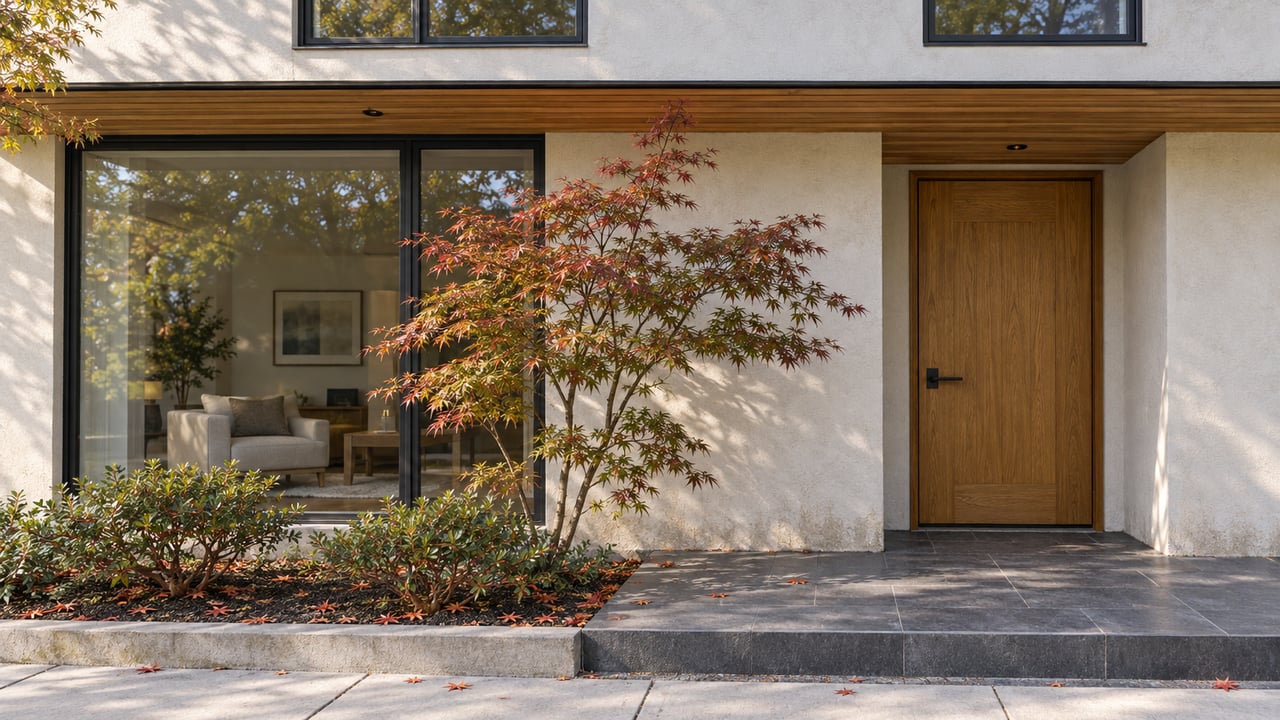
Ross does not have one single architectural style. The town’s design guidelines describe a mix of traditional and contemporary architecture, and that mix is part of what gives the community its visual depth.
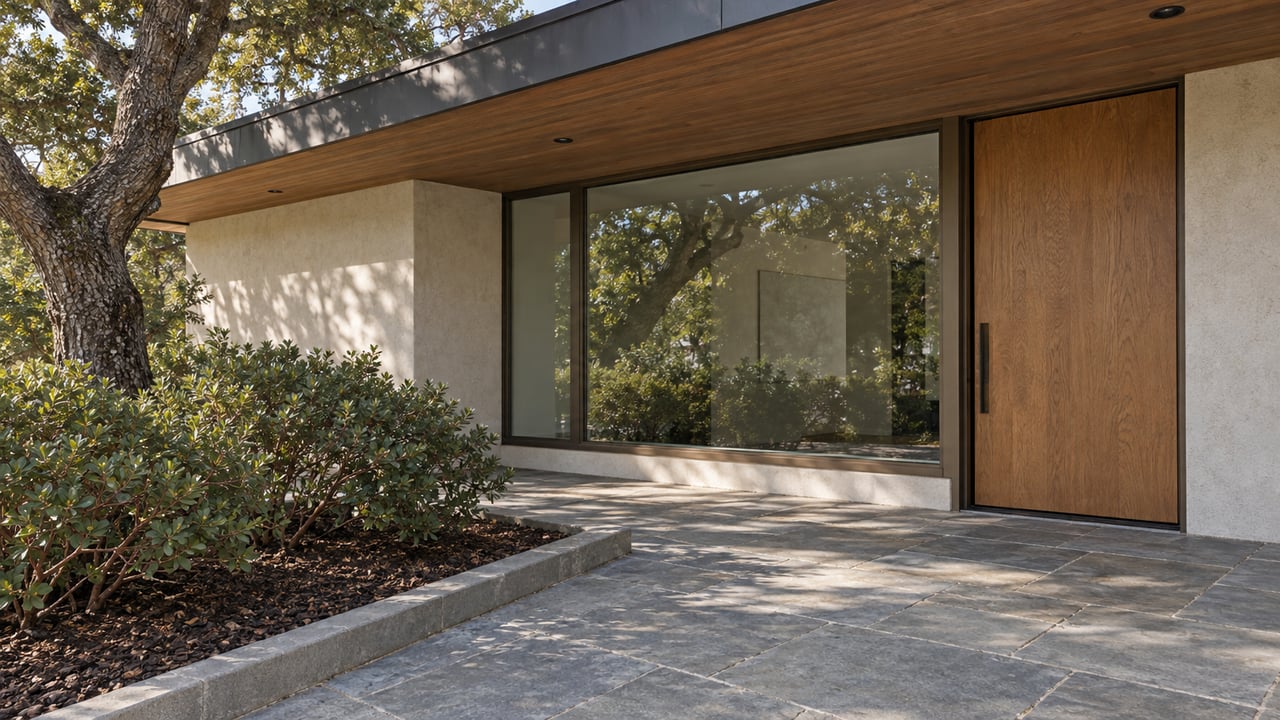
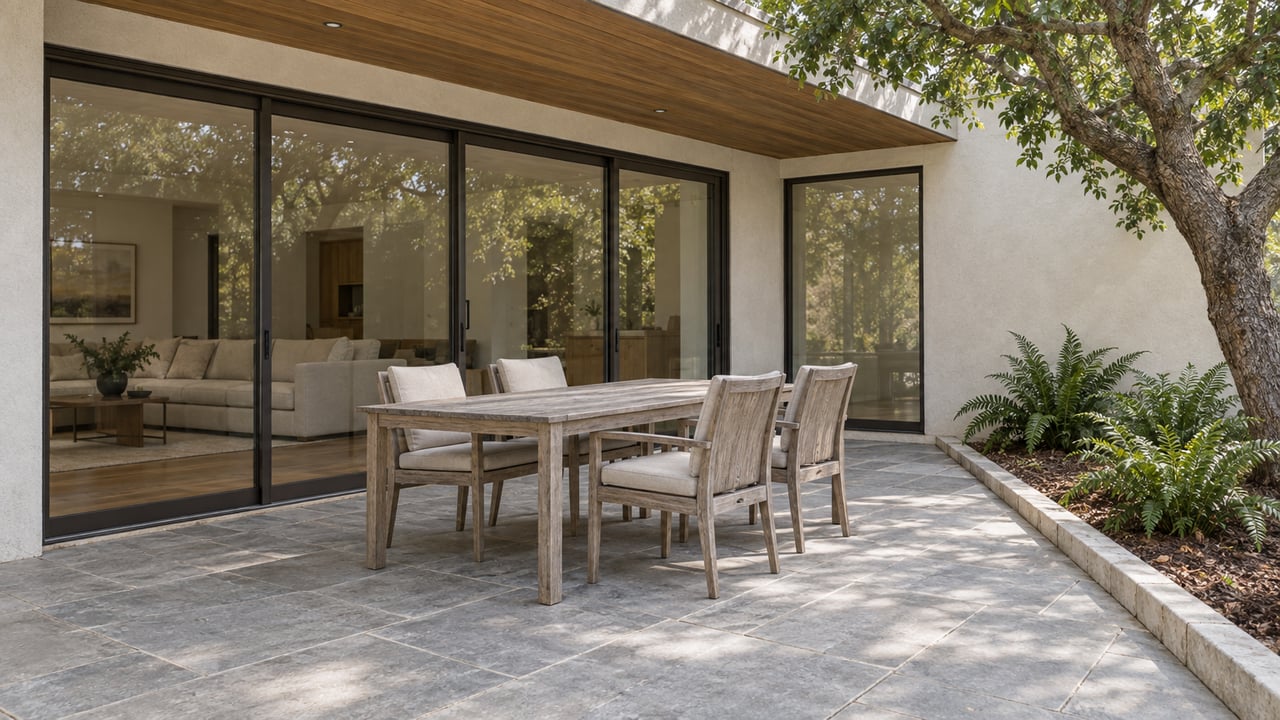
In the more traditional residential pockets, you may notice older homes and smaller clusters with a more established feel. On hillside or estate-like properties, architecture may appear more set apart, with homes shaped by grade, views, and privacy. Together, these differences reinforce the sense that Ross changes block by block rather than following one repeated pattern.
For a design-aware buyer or seller, this is one of Ross’s most interesting qualities. The home, lot, and street all work together here. A property’s setting often matters just as much as its square footage.
What Changes Everyday Life in Ross
If you are trying to compare one part of Ross to another, a few practical factors matter most. The town’s planning documents repeatedly point back to slope, lot size, street width, and proximity to the Common or open space as the main drivers of neighborhood feel.
Here is a simple way to think about it:
- Near Ross Common: more walkable, more public, more connected to school and civic life
- Traditional streets: more compact, more classic neighborhood character, stronger historic layering
- Hillside areas: more setback, more privacy, quieter streets, more topographic variety
- Park-edge areas: stronger open-space identity, greener surroundings, quieter day-to-day feel
That framework can be especially helpful if you are relocating or trying to narrow your search. In Ross, the question is often not just "Do I want Ross?" but "Which version of Ross fits how I want to live?"
How to Tour Ross Thoughtfully
When you visit Ross, pay attention to more than the home itself. Notice how the road feels, how visible the house is from the street, how close you are to civic activity, and whether the setting feels more neighborhood-oriented or more landscape-oriented.
It can also help to tour at different times of day. A block near the Common may feel lively and convenient during school and errand hours, while a hillside street may feel calmer and more removed. Neither is better. They simply support different daily routines.
If you are buying in Ross, this kind of block-by-block reading matters. It is often the difference between finding a house you like and finding a place that truly fits your lifestyle.
Whether you are drawn to village-center convenience, classic residential charm, or a more private setting near open space, Ross has a lot of nuance packed into a very small footprint. If you want help comparing streets, interpreting neighborhood tradeoffs, or understanding how a home’s setting affects long-term fit, Julia Camajani can help you navigate Ross with calm, local guidance.
FAQs
Which Ross area is closest to Ross Common and Ross School?
- The blocks around downtown and Ross Common are the closest to Ross School, Town Hall, the post office, and the town’s small commercial area.
Which Ross streets have the strongest historic feel?
- Lower Ross, especially around Bolinas Avenue, is one of the clearest examples of older residential fabric, with documented early-20th-century homes and subdivision history.
Where can buyers find larger lots and more privacy in Ross?
- Hillier and upper-area streets tend to offer more setback, less visibility from the road, and a more estate-like feel, depending on the specific lot and topography.
Which Ross area is closest to parks and open space?
- The west end of Lagunitas Road near Natalie Coffin Greene Park stands out as one of Ross’s clearest park-adjacent residential settings.
How do slope and street width affect daily life in Ross?
- Steeper slopes, narrower roads, and varied lot patterns can make a block feel quieter, slower-paced, and more private, while flatter and more central streets often feel more connected and walkable.