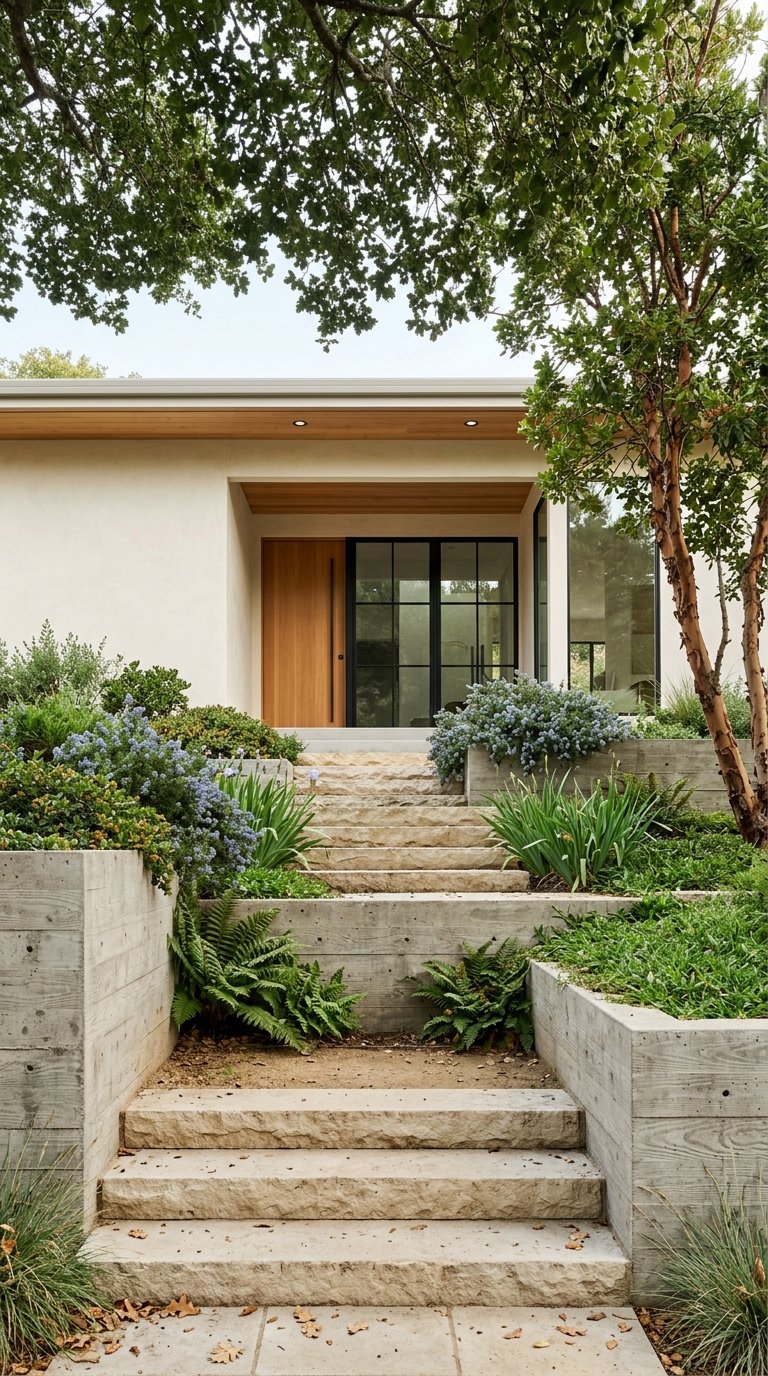
If you are trying to figure out where you might feel most at home in San Anselmo, one simple truth helps: this is not a one-note town. Some pockets put you close to downtown shops, parks, and bus routes, while others feel more tucked away, hillside-oriented, and tied to trails or views. Understanding those tradeoffs can make your search much clearer. Let’s dive in.
San Anselmo at a glance
San Anselmo is shaped by its valley setting. The town’s General Plan describes a community of small valleys bordered by moderate to steep slopes and ridge tops, with most new housing happening as infill on existing lots because the town is largely built out.
That physical layout matters in everyday life. Sir Francis Drake Boulevard is the main travel artery through the valley, and nearby areas like Sleepy Hollow extend north along Butterfield Road. In practice, living on the valley floor can feel very different from living up on narrower hill streets.
Downtown feels most walkable
If your ideal routine includes being able to get out on foot for coffee, errands, or time in the park, downtown San Anselmo is the strongest match. The town identifies the Central Commercial area along San Anselmo Avenue and Sir Francis Drake Boulevard as the retail core, and it is designed around pedestrian movement and public parking.
Creek Park sits right in that downtown setting, and Robson-Harrington Park is only a couple of blocks away. That gives this part of town a lively, connected feel that is hard to replicate in the more residential pockets.
Housing near downtown is also more mixed than in much of the rest of San Anselmo. West of the commercial core, the Downtown Mixed Residential area includes detached homes, duplexes, triplexes, quadplexes, townhomes, apartments, and condominiums, with standards meant to keep the blocks visually cohesive.
For buyers, that usually means more variety in housing type and a more walkable daily rhythm. For sellers, it can mean your likely buyer is looking as much at convenience and routine as at square footage alone.
Downtown tradeoffs to know
The same features that make downtown convenient can come with tradeoffs. Parking is more structured here, with public lots and specific parking rules in the central business area, so the experience may feel different from a street with easy private parking.
Flooding is also worth paying attention to in certain low-lying or creek-adjacent areas. The town notes that parts of historic downtown are subject to periodic flooding, so if you are considering a home nearby, it is smart to take a closer look at flood maps and insurance early in the process.
West of downtown feels older and more residential
Move west of the commercial core and the tone shifts. This side of San Anselmo feels more residential and layered, with older streetscapes, historic subdivisions, and a quieter rhythm than the downtown blocks.
The town’s General Plan specifically says the current mix of residential densities immediately west of downtown should be maintained. That helps preserve the varied but cohesive feeling that many people notice when they walk or drive through this part of town.
Yolanda Court feels tucked-in and classic
Yolanda Court is one of the clearest examples of a sheltered, established pocket. Local historical sources describe it as a charming neighborhood with wide, tree-lined streets and architecturally interesting properties.
That setting suggests a close-in location with a more protected residential feel. If you want access to downtown without feeling like you live in the middle of it, this is the type of pocket that often stands out.
Seminary and Bolinas feel historic and shaded
The Seminary and Bolinas area has a different personality. It is closely tied to notable campus buildings and early homes, including Queen Anne-style faculty houses on Bolinas Avenue and Julia Morgan-designed houses on Bolinas and Seminary Road.
What that means in real life is that architecture and setting can play a big role in how a home feels here. If you are drawn to tree cover, older homes, and streets with a strong sense of place, this area may appeal to you for reasons that go beyond layout alone.
Everyday convenience still shows up
Even in these more residential west-side areas, you may notice small pockets of convenience activity. The General Plan recognizes tiny neighborhood commercial nodes, often just one or two parcels, intended to provide convenience goods and services without changing the surrounding residential character.
That is part of why some streets feel calm and purely residential, while a nearby corner may carry a little more errand traffic. It is a subtle distinction, but it shapes how each block lives day to day.
Hillside neighborhoods feel private and scenic
As you move uphill, San Anselmo starts to feel more secluded. The town’s planning policies call for hillside and ridge parcels to remain very low density, generally with single-family detached homes, and roads in these areas are meant to stay narrow and rural in character.
That often translates into more privacy, more topography, and a stronger sense of separation from the downtown core. In exchange, you may have steeper streets, more driving, and a layout that feels less convenient for quick errands on foot.
Barber Tract feels elevated and tucked away
The Barber Tract is one of the best-known examples of this hillside character. Local history describes it as a prominent hill overlooking the main part of town and Mt. Tamalpais, with older homes that were often originally built on large lots.
If downtown is about convenience, the Barber Tract is more about setting. Buyers who are drawn to views, mature trees, and a tucked-away atmosphere often respond to this kind of pocket.
Trail access becomes part of daily life
The hill areas also connect more directly to open space. Sorich Ranch Park is an undeveloped hillside park with trails and views, and Faude Park offers natural open space, hiking, meadow areas, and panoramic Ross Valley outlooks.
For many buyers, that can be a major lifestyle advantage. If being close to trails matters to how you want to spend your mornings or weekends, the hillside neighborhoods often offer the strongest payoff.
North valley and Sleepy Hollow feel more secluded
Sleepy Hollow is not within the Town of San Anselmo, but many people experience it as part of the same broader valley lifestyle. It extends north from San Anselmo along Butterfield Road and is described as an unincorporated residential neighborhood.
In feel, this area leans more secluded, scenic, and estate-like than the downtown flats. Historical accounts also point to a landscape shaped by larger acreage and steep hills, which helps explain why it reads differently from the more compact parts of San Anselmo.
If you do not need easy walkability to downtown errands and prefer a quieter setting, this north-valley edge may be worth a closer look. It offers a different version of Ross Valley living, one that is less about the town center and more about space and setting.
Commute and access shape the experience
A neighborhood can look perfect on paper, but your daily routine is often what decides whether it feels right. In San Anselmo, transit convenience is strongest near the valley floor and downtown.
Marin Transit Routes 22 and 228 serve San Anselmo, and Golden Gate Transit Route 132 connects San Anselmo with San Francisco’s Financial District. If you expect to use bus service regularly, living near the Hub or downtown will usually feel more practical than living high on the slopes.
San Anselmo also maintains a local network of stairs, lanes, and trails, with approved funding and maintenance for 37 trails. So while outdoor access is part of life across town, the exact experience still changes based on whether your home is flat and central or elevated and more remote.
How to choose the right pocket
The best part of San Anselmo for you depends on how you want your days to work. A great home search here usually starts with lifestyle questions, not just price or bedroom count.
Here is a simple way to think about it:
- Choose downtown or near the Hub if you want walkability, mixed housing options, bus access, and a more connected daily routine.
- Choose west of downtown if you want an older residential feel, close-in convenience, and streets with a quieter, historic character.
- Choose hillside pockets if privacy, views, and trail access matter more than easy driving routes or walkable errands.
- Consider the north-valley edge or Sleepy Hollow area if you prefer a more secluded, scenic setting and do not mind being less connected to downtown on foot.
When I help buyers compare Marin neighborhoods, a lot of the conversation comes down to matching the home to the life you want to live in it. In a place like San Anselmo, those details really matter because the feel can change so much from one pocket to the next.
If you want help narrowing down which part of San Anselmo fits your routine, priorities, and long-term goals, Julia Camajani would be glad to help you think it through.
FAQs
What is the most walkable part of San Anselmo?
- Downtown San Anselmo and the Hub area are generally the most walkable, with the retail core, parks, and bus access concentrated on the valley floor.
What does west of downtown San Anselmo feel like?
- West of downtown usually feels more residential, historic, and quiet, with older streets, varied housing, and a close-in neighborhood feel.
What are San Anselmo hillside neighborhoods like?
- Hillside neighborhoods tend to offer more privacy, lower-density housing, narrower roads, and stronger access to views and open space.
Is Sleepy Hollow part of San Anselmo?
- Sleepy Hollow is not part of the Town of San Anselmo, but it sits just north of town and often feels connected to the same valley lifestyle.
What should buyers know about downtown San Anselmo flooding?
- The town notes that parts of historic downtown are subject to periodic flooding, so buyers should review flood-related details carefully when looking at low-lying or creek-adjacent homes.
Is San Anselmo good for trail access?
- San Anselmo has a maintained network of stairs, lanes, and trails, and trail-oriented living is especially noticeable in hillside areas near open space.